
Journal
South Malta vs Sliema: Where to Stay
By Malta Private Villas Editorial • March 6, 2026 • 6 min read
Short Answer
Deciding where to stay in Malta? This guide compares Sliema with South Malta to help you choose the best area for your trip.
- South Malta focus: private villas, local pace, and lower-density surroundings.
- Sliema focus: urban waterfront, hotel concentration, and busier central flow.
- Marsaskala and Żejtun are key South Malta villa bases.
Editorial focus: South Malta vs Sliema accommodation comparison
Choosing where to stay in Malta can shape your entire travel experience. Although the island is relatively small, different regions offer very different atmospheres. Two popular options for visitors are Sliema, a lively coastal hub in central Malta, and South Malta, a quieter region known for its traditional villages and scenic coastline.
Sliema is one of Malta’s busiest tourist areas. It offers easy access to restaurants, shopping, nightlife, and ferries to Valletta. Many travelers choose it for its convenience and modern accommodation options.
South Malta, by contrast, feels slower and more local. Towns such as Marsaxlokk, Birżebbuġa, and Żurrieq provide a glimpse into everyday Maltese life. Visitors looking for south Malta accommodation often enjoy peaceful surroundings, authentic culture, and easy access to some of the island’s most beautiful natural landscapes.
If you’re deciding where to stay in Malta, the choice largely depends on the type of trip you want. Travelers seeking nightlife, shopping, and urban energy may prefer Sliema, while those looking for relaxation, local charm, and scenic coastal experiences often find the south more appealing.
Below, we compare the two areas to help you choose the best base for your Malta trip.
Atmosphere
One of the biggest differences between South Malta and Sliema is the overall atmosphere.
Sliema: Busy and Cosmopolitan
Sliema is one of Malta’s main tourism centers. The waterfront promenade is lined with hotels, cafés, and shopping areas, and the streets are usually lively throughout the day and evening.
Because of its popularity with tourists and language students, Sliema has a very international feel. Restaurants serve cuisines from around the world, and English is widely spoken everywhere.
While this energy can be exciting, it also means the area can feel crowded, particularly during the summer months.
Travelers who enjoy a city-like environment with plenty of dining options, nightlife, and easy transport connections will often find Sliema convenient.
South Malta: Relaxed and Authentic
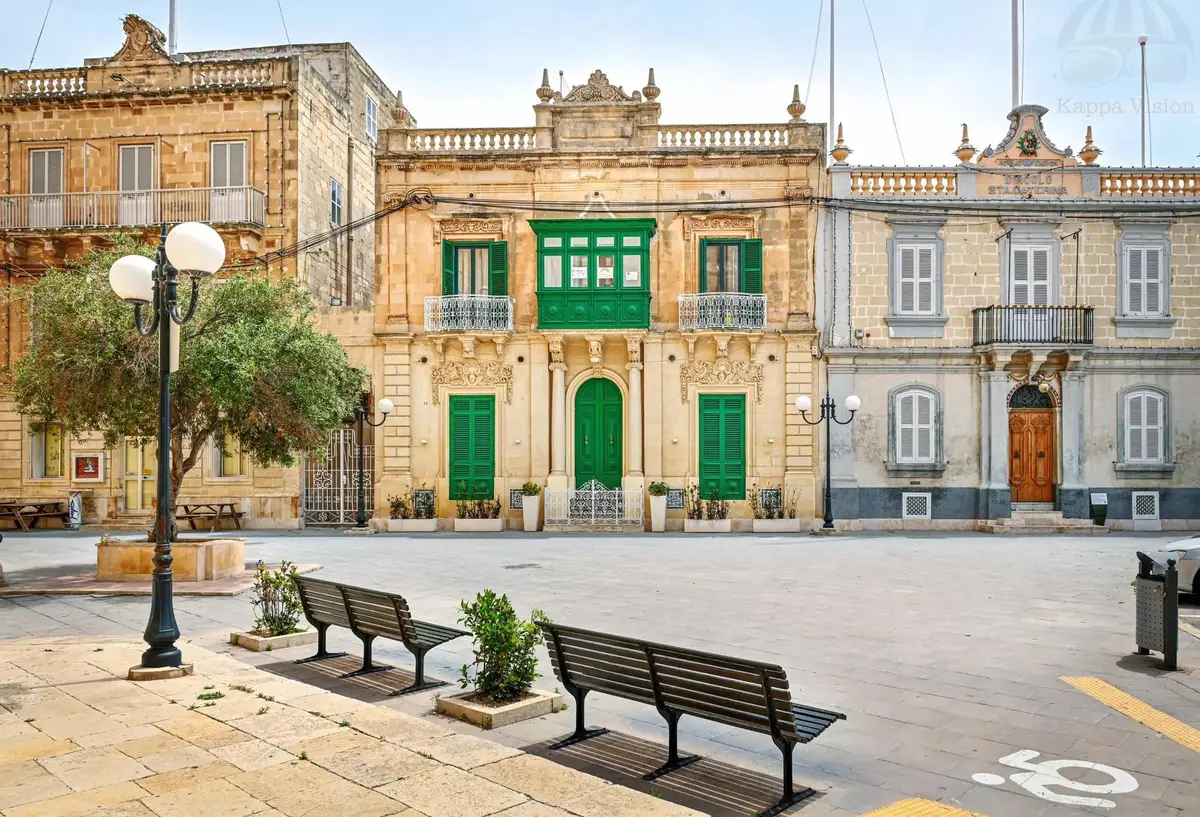
South Malta offers a very different experience. Many towns here are traditional fishing villages or historic communities that have maintained their local character.
In places like Marsaxlokk, colorful fishing boats (known as luzzus) line the harbor, and daily life revolves around local markets and small family-run restaurants.
The pace of life tends to be slower, and evenings are generally quieter compared to Sliema.
For visitors who want to experience authentic Maltese culture, South Malta often feels more genuine. You’re more likely to encounter local traditions, village festas, and community life rather than large tourist crowds.
This relaxed atmosphere is one of the main reasons many travelers choose the south when deciding where to stay in Malta.
Beaches
Malta’s coastline varies significantly depending on where you stay, and this can be a major factor when planning your trip.
Beaches Near Sliema
Sliema does not have sandy beaches. Instead, the coastline consists mostly of flat rocky swimming areas along the promenade.
These swimming spots are convenient and well maintained, with ladders providing easy access to the water. They are popular with locals and visitors alike, especially in summer.
Nearby areas like St. Julian’s and Balluta Bay offer small sandy beaches, but these tend to get crowded quickly during peak tourist season.
The advantage of staying in Sliema is that you can easily walk to the sea and enjoy a swim without needing transport.
Coastal Experiences in South Malta
South Malta offers some of the island’s most dramatic coastal landscapes.
Visitors staying in this region are closer to:
- St. Peter’s Pool, a natural swimming spot famous for its clear turquoise water
- Pretty Bay in Birżebbuġa, one of the few sandy beaches in the south
- Quiet coastal cliffs and hidden coves near Żurrieq and Delimara
These areas tend to feel more natural and less developed than the coast around Sliema.
Many travelers appreciate the opportunity to discover hidden bays and quieter swimming spots away from major tourist crowds.
For those who prioritize scenic coastline and peaceful beach experiences, South Malta can be an excellent choice when considering where to stay in Malta.
Accommodation
Accommodation options vary widely between Sliema and South Malta, both in style and price.
Accommodation in Sliema
Sliema has one of the highest concentrations of hotels in Malta.
Visitors will find:
- Large seafront hotels
- Modern serviced apartments
- Boutique hotels
- Short-term rental apartments
Because the area is so popular, prices can be higher during peak travel seasons.
However, Sliema is very convenient for travelers who want easy access to public transport, ferries to Valletta, shopping centers, and nightlife.
It’s also a practical base for first-time visitors who want to explore many parts of the island without renting a car.
South Malta Accommodation
South Malta accommodation tends to be smaller, more local, and often better value compared to central tourist areas.
Common options include:
- Traditional Maltese guesthouses
- Family-run boutique hotels
- Local bed and breakfasts
- Holiday apartments in quiet villages
Many accommodations in the south are located in historic townhouses or renovated village homes, giving travelers a more authentic experience.
Another advantage is the peace and space. Streets are typically quieter, and accommodations often feel more personal compared to large urban hotels.
Travelers who prefer local culture, slower travel, and better value frequently choose the south when deciding where to stay in Malta.
Which Area Is Best for Your Trip?
Ultimately, the best place to stay depends on the type of experience you want.
Choose Sliema if you want:
- A lively atmosphere
- Lots of restaurants and nightlife
- Easy public transport connections
- A central base for exploring Malta
Choose South Malta if you prefer:
- Authentic village life
- Quiet coastal scenery
- Fewer tourist crowds
- Unique guesthouses and local stays
Because Malta is small, it’s also possible to stay in one area and explore the other on day trips.
For many travelers, combining convenience with authenticity is the ideal balance. Understanding the differences between these regions can help you make the right decision about where to stay in Malta.
FAQ
Where is the best place to stay in Malta?
The best place to stay in Malta depends on your travel style. Areas like Sliema and St. Julian’s are popular for nightlife, shopping, and easy transport connections, while South Malta offers quieter villages, scenic coastline, and a more authentic local atmosphere.
Is South Malta a good place to stay?
Yes, South Malta is a great place to stay for travelers looking for a relaxed and local experience. The region offers traditional fishing villages, beautiful coastal landscapes, and a range of south Malta accommodation such as guesthouses, boutique hotels, and village apartments.
Is Sliema better than other areas in Malta?
Sliema is one of the most convenient areas in Malta due to its restaurants, shopping, and ferry access to Valletta. However, it is also one of the busiest tourist areas. Travelers seeking quieter surroundings and authentic culture may prefer areas like South Malta or Gozo instead.
Related Guides
- 3-day South Malta itinerary
- Where to stay in Marsaskala
- Read: South Malta Villas vs Sliema Hotels: Which Is Better for Your Holiday?
- Read: Where to Stay in Marsaskala: Best Areas, Travel Tips & Villa Options
- Read: Stay in Żejtun Malta: Why This Historic Town Is the Perfect Base for Exploring South Malta